

How Do I Stay Safe and Healthy When Riding a Bike In the Rain?
Riding a bicycle is a versatile activity enjoyed for commuting, exercise, or recreation. However, it’s not uncommon to encounter rainy weather while cycling. While riding in the rain can seem daunting, with the right preparations, you can stay safe and healthy. By wearing waterproof clothing, ensuring your bike has proper fenders, utilizing lights for better visibility, and riding carefully to avoid slick surfaces, you can confidently handle rainy rides and make the most of your time on two wheels.
At Fran Haasch Law Group Accident & Injury Lawyers, we understand that even the most cautious cyclist can become a victim of an accident caused by someone else’s negligence. If you’ve been injured in a bicycle accident, our experienced team is here to help. We are committed to fighting for your rights and ensuring you receive the compensation you deserve. Contact us today to schedule your free consultation and learn how we can assist you.
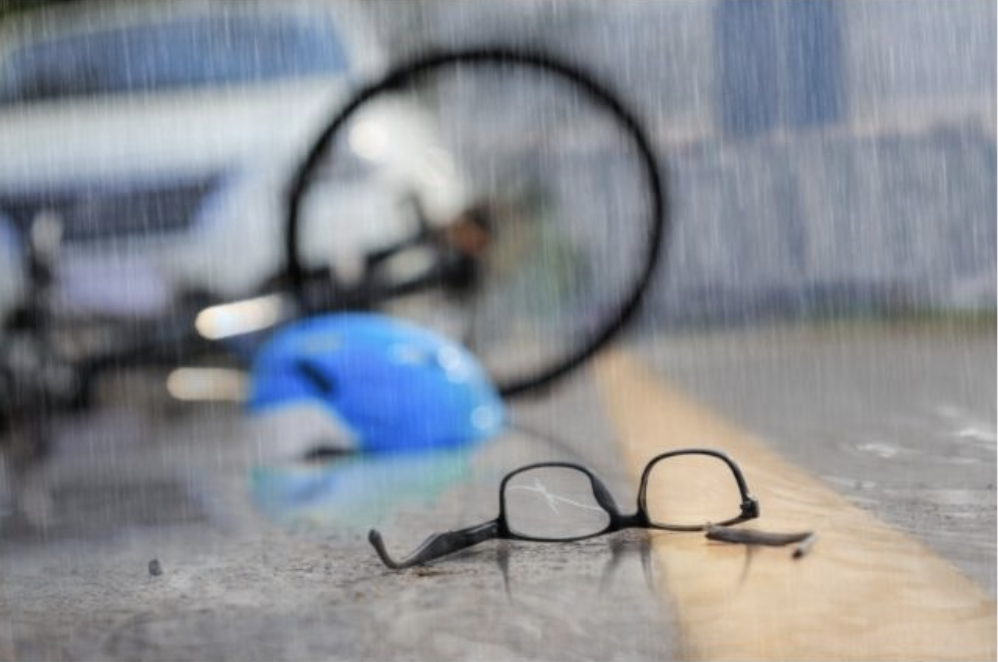
What Should Be the Top Health and Safety Concerns For a Wet-Weather Bike Ride?
Riding a bike in the rain can be both challenging and risky without proper preparation. To ensure a safe and enjoyable experience, it’s important to address key health and safety concerns. Below are some of the top considerations for planning a rainy-day bike ride:
- Proper Gear: Wear waterproof and wind-resistant clothing, including a jacket and pants, to stay dry and warm. Don’t forget shoe covers and gloves to protect extremities from rain and cold.
- Visibility: Even light rain can reduce visibility for both cyclists and drivers. Equip your bike with bright lights at the front and rear, and wear reflective clothing to ensure you’re seen in low-light conditions.
- Tire Traction: Wet roads can be slippery. Use tires with better grip or lower your tire pressure slightly to improve traction and prevent skidding.
- Braking Distance: Wet brakes are less effective, so anticipate longer stopping times. Ride at a controlled speed and maintain a safe distance from other cyclists or vehicles.
- Road Hazards: Be on the lookout for puddles, oil slicks, or debris that may be hidden on wet roads. Avoid riding over painted lines and metal surfaces, as they can become extra slippery when wet.
- Hydration and Energy: Even in cooler weather, it’s crucial to stay hydrated and maintain your energy levels. Bring water and snacks for longer rides.
By taking these precautions, you can ensure a safer biking experience, even in unpredictable weather conditions.
How Do I Prepare My Bike For a Ride In the Rain?
Riding your bike in the rain requires extra preparation to ensure both your safety and the bike’s performance. Proper maintenance and adjustments can make a significant difference when navigating wet and slippery conditions. Here are some steps to prepare your bike for a rainy ride:
Check Your Tires
Rain reduces traction on road surfaces, so having the right tires is crucial. Opt for tires with good tread or those specifically designed for wet conditions to improve grip. Additionally, ensure your tires are properly inflated—neither overinflated nor underinflated—to maximize stability on slick roads.
Install Fenders
Fenders are a must-have for riding in the rain. They help keep water and mud from splashing onto you and your bike, keeping you drier and your components cleaner. This simple addition can make your ride far more comfortable while protecting your bike from excess grime.
Clean the Chain and Apply Wet Lube
Wet conditions can quickly wear down your bike’s chain. Before your ride, clean it thoroughly to remove dirt and debris. Different from dry lube, wet lube is formulated for use in wet or rainy conditions. It stays in a liquid state, providing a durable coating that resists being washed off by water. Wet lube is excellent for protecting your chain from rust and ensuring smooth performance in nasty weather. However, it can cause buildup, so regular cleaning is important, as is the use of dry lube on nice days.
Inspect Your Brakes
Braking distances can increase in wet weather, so check your brakes for wear and make sure they’re responsive. If your bike has rim brakes, clean the brake pads and rims to remove any film or debris. For disc brakes, ensure they’re functioning properly and free of contaminants.
Light It Up
Visibility is often reduced during rainy rides, making lights essential. Equip your bike with both front and rear lights, even during daytime rides, to alert drivers and other road users to your presence. Bright, waterproof lights are ideal for ensuring you remain visible in low-light or foggy conditions.
Use Waterproof Gear
Though not part of the bike itself, waterproof covers for your saddle and panniers can protect your equipment and belongings from getting soaked. Keeping your gear dry is just as important as maintaining your bike’s functionality during a wet ride.
Taking these steps to prepare your bike will not only make your ride safer, but also significantly enhance your overall experience when riding in the rain.
What Should I Wear To Ride a Bike In the Rain?
Riding a bike in the rain can be a refreshing experience, but choosing the right clothing is essential to ensure you stay comfortable, dry, and safe. Here’s what you should wear to make your rainy rides enjoyable:
- Waterproof Rain Jacket: A high-quality waterproof rain jacket keeps your upper body dry and protects against wind. Look for one with reflective elements for better visibility.
- Rain Pants: Waterproof pants help keep your legs dry and reduce the discomfort of wet clothing clinging to your skin.
- Waterproof Gloves: These keep your hands warm and dry, ensuring a firm grip on the handlebars in slippery conditions.
- Overshoes or Waterproof Boots: Keeping your feet dry is crucial. Opt for overshoes or waterproof cycling boots to prevent your shoes from soaking.
- Fitted Clothing: Avoid loose clothing that can get heavy when wet and potentially snag on your bike.
- Helmet Cover: A water-resistant helmet cover shields your head from rain while maintaining ventilation.
- Layered Clothing: Dress in layers to stay warm but ensure they are breathable to prevent overheating.
By dressing appropriately, you’ll stay comfortable while focusing on enjoying your wet ride.
Should I Bring Any Additional Gear For a Wet-Weather Bike Ride?
When biking in the rain, having the right additional gear can make your ride safer, more comfortable, and more enjoyable. Below are some essential items to bring along for a bike ride in wet weather:
Dry Bag for Electronics
A small, lightweight dry bag is ideal for protecting electronics like your phone, camera, or GPS device. These bags are designed to be completely waterproof, giving you peace of mind that your valuables stay safe. If rain sneaks up on you before you can order something specific, plastic bags can also keep supplies dry.
Repair Kit and Multi-Tool
Rain can increase the likelihood of mechanical issues, such as flat tires. Always bring a repair kit and a multi-tool to address any emergency repairs quickly. Include spare tubes, a pump, and tire levers for added preparedness.
Extra Change of Clothes
Packing an extra change of clothes when riding a bike in the rain is essential for staying comfortable and avoiding potential health risks. Wet clothing can quickly lead to discomfort, chafing, and even hypothermia in cooler conditions. An extra pair of socks is critical for keeping your feet dry.
By having the right extra gear, you’ll be well-prepared to handle the challenges of wet-weather riding, ensuring a safe and pleasant biking adventure.
Should I Make Adjustments To My Route For a Bike Ride In the Rain?
When planning a bike ride in the rain, it’s important to consider adjustments to your route to ensure safety and comfort. Rainy conditions can make certain paths more challenging or hazardous, so careful planning is essential.
- Avoid High-Traffic Roads: Rain often reduces visibility for both cyclists and drivers, increasing the risk of accidents. Stick to quieter streets or dedicated bike paths whenever possible.
- Steer Clear of Flood-Prone Areas: Heavy rain can quickly lead to flooded roads or trails, making them impassable and dangerous. Plan a route that avoids low-lying areas prone to water accumulation, and never try to ride or walk through standing water if you aren’t 100% sure of its depth.
- Choose Well-Maintained Paths: Potholes and uneven surfaces can become more hazardous when wet. Look for routes known for their good condition and proper drainage.
- Reduce Sharp Turns and Steep Descents: Wet surfaces reduce tire grip, making sharp turns and steep downhill sections riskier. Opt for flatter, more predictable terrain to maintain better control.
- Plan for Safe Stopping Points: Identify covered or sheltered areas along your route where you can take breaks if needed, protecting yourself from heavier downpours.
Considering these factors will help you stay safe and enjoy a smoother ride, even in the rain.
What Should I Do If I Am Injured In a Bicycle Accident While Riding In the Rain?
If you are injured in a bicycle accident while riding in the rain, it is essential to act quickly and carefully to prioritize your safety and well-being. Here are the steps you should take:
- Seek Medical Attention Immediately: Assess your injuries and, if necessary, call for emergency medical assistance. Even if injuries seem minor, it’s important to get checked by a medical professional to identify any potential issues.
- Move to a Safe Location: If possible, move out of the road or any dangerous area to prevent further accidents or harm. Stay visible and use reflective gear if available.
- Document the Scene: Take photos of the accident site, your injuries, your bicycle, and any other vehicles or hazards involved. This documentation can be valuable for insurance claims or legal action.
- Gather Witness Information: If there are witnesses, ask for their contact information and statements about what they saw.
- Report the Accident: Notify local authorities and file an official report. This ensures there is an accurate record of the incident.
- Contact Your Insurance Provider: Inform your insurance company about the accident and provide all necessary details to begin the claims process.
- Consult an Attorney if Needed: If the accident involves disputes, significant injuries, or potential liability, consider speaking with a personal injury attorney to protect your rights and explore your options.
Fran Haasch Law Group Accident & Injury Lawyers | Bicycle Accident Attorneys For Florida
At Fran Haasch Law Group Accident & Injury Lawyers, we are dedicated to advocating for bicycle accident victims throughout Florida. We understand the unique challenges cyclists face on the road and are passionate about protecting your rights when accidents occur. Our experienced attorneys work tirelessly to investigate your case, gather evidence, negotiate with insurance companies, and fight for the compensation you deserve. Whether you’ve suffered injuries, lost wages, or endured emotional trauma, we are here to stand in your corner.
When you choose Fran Haasch Law Group Accident & Injury Lawyers, you’re choosing a team that cares about your recovery and well-being. We pride ourselves on offering compassionate and personalized legal representation. Our goal is to make the legal process as stress-free as possible so you can focus on healing and moving forward.
Don’t wait to get the help you need. Contact Fran Haasch Law Group Accident & Injury Lawyers today to schedule your free consultation. Call us now or visit our website to learn more about how we can assist you. We’re here to fight for you every step of the way.