










What Do I Do After Sustaining a Brain Injury In a Car Accident in Florida?
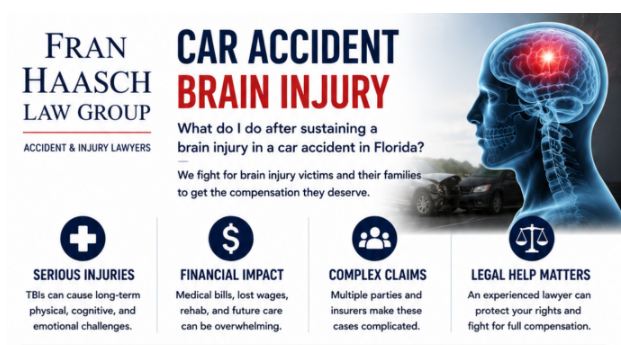
Sustaining a brain injury in a car accident can be a life-altering experience, often leaving victims facing significant physical, emotional, and financial challenges. Traumatic brain injuries (TBIs) can range from mild concussions to severe conditions that require ongoing medical care, rehabilitation, and support. Victims may struggle with cognitive impairments, memory loss, headaches, mood swings, and even long-term disabilities.
Adding to these difficulties, navigating the legal and insurance processes in Florida can be overwhelming, especially while trying to recover. It is critical to understand your rights and seek the right support to ensure you receive the justice and compensation you deserve after such a traumatic event.
The experienced legal team at Fran Haasch Law Group Accident & Injury Lawyers is dedicated to standing up for car accident and brain injury victims. We understand the complexities of brain injury cases and work tirelessly to build a strong case on your behalf. Our goal is to help you seek justice and obtain fair compensation for medical expenses, lost wages, pain and suffering, and other damages you may be facing. Let us handle the legal complexities so you can focus on your recovery.
Don’t face this challenging time alone. Contact Fran Haasch Law Group Accident & Injury Lawyers today to schedule a free consultation. Together, we will fight to protect your rights and secure a brighter future.
What Should I Do For a Head Injury Sustained In a Car Accident?
Suffering a head injury in a car accident can be overwhelming, but taking the right steps is crucial for your health and legal rights. Here are the actions you should take if you suspect a head injury:
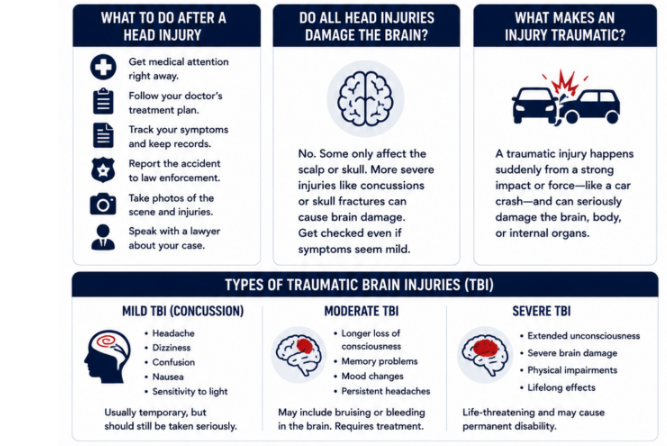
- Seek Medical Attention: Even if symptoms seem mild, head injuries can worsen over time. Visit a doctor or hospital to get a thorough evaluation.
- Follow Medical Advice: Adhere to any treatment plans or recommendations provided by your healthcare provider to ensure proper recovery.
- Document Your Symptoms: Keep a record of any symptoms you experience, like headaches, dizziness, or memory problems. This information can be vital for medical and legal purposes.
- Report the Accident: Notify law enforcement and file an official accident report, ensuring all details are recorded accurately.
- Preserve Evidence: Take photos of the accident scene, your injuries, and any property damage to support your case if legal action is necessary.
- Consult an Attorney: Contacting a personal injury lawyer experienced in head injury cases can help you understand your rights and secure fair compensation.
Even what seems like mild head injuries can have a lasting impact on your health and well-being. Taking these steps can make a significant difference in your recovery and any potential legal claims moving forward.
Do All Head Injuries Result in Damage To the Brain?
Not all head injuries result in damage to the brain. Head injuries can range from mild to severe and may involve harm to the skull, scalp, or other external parts of the head without affecting the brain itself. For example, a minor bump or bruise on the head may not cause any brain-related issues.
However, more severe head injuries, such as concussions, skull fractures, or penetrating wounds, have a higher likelihood of causing brain damage. It is crucial to monitor symptoms after any head injury, as some brain injuries, like a traumatic brain injury (TBI), may not be immediately apparent. Seeking medical attention promptly can help determine the extent of the injury and guide appropriate treatment.
What Makes An Injury Traumatic?
A traumatic injury is a severe physical injury that occurs suddenly and is often the result of an external force or impact. These injuries can affect any part of the body and may include damage to bones, tissues, organs, or the brain. Traumatic injuries are typically caused by events such as falls, car crashes, sports-related incidents, or acts of violence, and they often require immediate medical attention to prevent further complications.
What Are the Different Types of Traumatic Brain Injuries Reported After Car Accidents?
Traumatic brain injuries (TBIs) are one of the most serious consequences of car accidents, ranging in severity from mild to severe. Each type of TBI presents unique challenges and requires specific approaches to diagnosis, treatment, and recovery. Understanding the different categories of TBIs can help individuals recognize their symptoms and seek prompt medical attention.
Mild Traumatic Brain Injuries (mTBI)
Mild traumatic brain injuries are the most common type of TBI. These injuries typically occur from closed head injuries, when the head experiences a sudden jolt or blow, causing the brain to move within the skull. Symptoms of mTBI may include headaches, dizziness, confusion, nausea, and sensitivity to light or sound. While the effects of a mild TBI are often temporary, proper medical evaluation is essential as repeated injuries can lead to long-term complications.
Common Diagnosed Conditions:
- Concussion
- Post-concussion syndrome
Moderate Traumatic Brain Injuries
Moderate TBIs involve a more significant impact on the brain, and the symptoms are generally more pronounced and longer-lasting than those of mild TBIs. These injuries may involve a loss of consciousness lasting from several minutes to hours, persistent headaches, memory problems, and mood changes. Immediate medical attention and imaging tests, such as a CT scan or MRI, are often necessary to assess and treat the extent of the damage.
Common Diagnosed Conditions:
- Contusion (bruising of the brain tissue)
- Intracranial hematoma (localized bleeding within the brain)
Severe Traumatic Brain Injuries
Severe traumatic brain injuries are life-threatening conditions that result from significant trauma to the head and brain. They are often associated with prolonged unconsciousness, profound cognitive and physical impairments, and extensive recovery periods. Individuals with severe TBIs may require long-term medical care and rehabilitation to regain functionality and adapt to any permanent impairments. Immediate intervention is critical to minimize damage and improve outcomes.
Common Diagnosed Conditions:
- Diffuse axonal injury (widespread damage to brain tissue due to shearing forces)
- Skull fractures leading to brain damage
- Penetrating brain injuries (caused by foreign objects breaching the skull)
Understanding the distinctions between these types of TBIs is crucial for obtaining the appropriate diagnosis and treatment, ensuring the best possible outcome after a car accident.
When Should I See a Doctor About a Potential Brain Injury?
Seeking medical attention immediately after a car accident is critical, even if you feel fine at the moment. Some brain injuries, such as concussions or diffuse axonal injuries, may not display obvious symptoms right away. Delayed symptoms can emerge hours, days, or even weeks after the incident, potentially worsening over time without proper intervention. A medical evaluation allows healthcare professionals to detect subtle signs of trauma, which can prevent complications and improve recovery outcomes.
If no injuries are identified immediately after the crash, it is important to remain vigilant and monitor for potential symptoms that could arise in the days and weeks following the accident. These common symptoms include:
- Persistent or severe headaches or worsening pain
- Dizziness or balance issues
- Nausea or vomiting
- Confusion, difficulty concentrating, or memory problems
- Sensitivity to light or sound
- Extreme fatigue or unusual sleep disturbances
- Blurred vision or other visual impairments
- Mood swings, anxiety, or irritability
- Numbness or tingling in extremities
- Seizures or loss of consciousness
If any of these symptoms develop, seek medical attention promptly to ensure timely diagnosis and treatment.
What Are the Short and Long-Term Effects of a Brain Injury?
Brain injuries can have a profound and lasting impact on individuals, particularly those involved in car accidents. The effects of a brain injury can vary widely depending on the severity and location of the injury, but they are generally classified into short-term effects and long-term effects. Understanding these impacts is crucial for both victims and their loved ones to better prepare for the challenges that may lie ahead.
Short-Term Effects of a Brain Injury
Short-term effects of a brain injury typically manifest immediately or within days following the accident. These may include:
- Headaches and Dizziness: Persistent pain or throbbing in the head accompanied by feelings of unsteadiness.
- Cognitive Impairment: Difficulty remembering events, concentrating, or processing information.
- Physical Symptoms: Fatigue, nausea, blurred vision, or sensitivity to light and noise often arise shortly after the injury.
- Mood and Behavioral Changes: Emotional outbursts, anxiety, or irritability are common as the brain adapts to its trauma.
While many short-term effects may resolve with time and proper care, swift medical attention is crucial to address potential complications.
Long-Term Effects of a Brain Injury
For some victims, severe injuries can lead to long-term or even permanent consequences that affect various aspects of daily life. These may include:
- Chronic Cognitive Decline: Challenges with memory, problem-solving, and decision-making may persist over time.
- Motor Function Impairments: Difficulties with balance, coordination, or muscle control could become a long-term concern.
- Mental Health Challenges: Depression, anxiety disorders, or post-traumatic stress disorder (PTSD) often develop as a result of the traumatic experience.
- Neurological Disorders: Some individuals may develop conditions like epilepsy or experience ongoing seizures following the injury.
Long-term effects require a comprehensive treatment plan and support system, often involving rehabilitation, therapy, and ongoing medical care.
By identifying the potential short and long-term effects of a brain injury, victims of car accidents and their families can better understand the road to recovery and take proactive steps toward healing and managing their conditions effectively.
How Much Can a Brain Injury From a Car Accident Cost?
A brain injury resulting from a car accident can lead to significant financial burdens for victims and their families. These costs often extend beyond immediate medical expenses and can have a long-lasting impact. Below is a breakdown of the various costs a car accident victim might encounter:
- Emergency Medical Services: This includes ambulance transportation, emergency room visits, and initial diagnostic tests such as CT scans or MRIs.
- Hospitalization and Surgery: Costs associated with extended hospital stays, surgeries, and intensive care treatment following the injury.
- Rehabilitation: Ongoing expenses for physical, occupational, or speech therapy to aid the recovery process.
- Medications: Prescription drugs to manage pain, seizures, or other symptoms resulting from the brain injury.
- Long-Term Medical Care: Continual treatment for conditions such as cognitive impairments or chronic symptoms that require specialized care.
- Assistive Devices: Costs for wheelchairs, mobility aids, or other devices that support independence and mobility.
- Lost Income: Wages lost due to the inability to work during recovery or permanently reduced earning capacity caused by the injury.
- Modifications to Living Spaces: Renovations such as wheelchair ramps or bathroom modifications to accommodate disabilities.
- Psychological Support: Expenses for counseling or therapy to address emotional and mental health challenges related to the injury.
- Legal and Administrative Costs: Fees for legal representation, case management, or disputes with insurance companies regarding compensation.
The financial impact of a brain injury caused by a car accident can be staggering, with costs varying based on the severity of the injury and the required long-term care. On average, the lifetime cost of a brain injury can range anywhere from $85,000 for a mild injury to upwards of $3 million for severe cases, highlighting the significant economic toll these injuries can impose on individuals and their families.
Can I File a Car Accident Lawsuit To Recover Damages For a Brain Injury?
If you or a loved one has suffered a brain injury due to a car accident in Florida, you have the right to file a lawsuit to recover damages. Florida law provides the opportunity for victims to pursue compensation for medical expenses, lost wages, pain and suffering, and other losses. However, navigating the legal process can be complex, and several important factors could influence the outcome of your case, such as the statute of limitations, comparative negligence, and the evidence required to support your claim.
Florida Statute of Limitations
The statute of limitations is the legal timeframe for filing a lawsuit. In Florida, the statute of limitations for personal injury cases, including those involving car accidents, is generally two years from the date of the accident. If you fail to file your lawsuit within this time frame, you may lose your right to pursue compensation. It is critical to act promptly to ensure you meet the deadlines and have sufficient time to build a strong case.
Comparative Negligence Rules in Florida
Florida follows a modified comparative negligence rule when determining fault in personal injury cases. This means that your compensation can be reduced by the percentage of fault you are found to bear for the accident, provided you are not more than 50% at fault. For example, if you are determined to be 20% at fault and your total damages are calculated at $100,000, you would be eligible to recover $80,000. Understanding how comparative negligence works is vital in assessing the potential compensation you could receive.
Evidence Needed to Support Your Claim
To successfully file a lawsuit for a brain injury caused by a car accident, you must present strong evidence to substantiate your case. Critical evidence includes:
- Medical Records detailing the extent of the brain injury and the associated treatment.
- Police Reports that document the accident and the parties involved.
- Eyewitness Testimonies to corroborate your account of the events leading to the accident.
- Accident Scene Photos or Videos to illustrate the conditions of the crash site.
- Expert Opinions, such as testimony from neurologists or accident reconstruction specialists, to strengthen your claim.
Having robust evidence will help demonstrate liability and quantify the damages caused by the accident.
How an Experienced Personal Injury Lawyer Can Help
Navigating a car accident lawsuit on your own can be overwhelming, especially when dealing with the repercussions of a brain injury. An experienced car accident lawyer can provide invaluable assistance by:
- Assessing the Strength of Your Case and advising you on the best course of action.
- Negotiating with Insurance Companies to ensure you receive fair compensation.
- Filing Legal Documents accurately and within the required deadlines.
- Building a Comprehensive Legal Strategy to prove liability and maximize your recovery.
- Focusing on Your Best Interests, allowing you to concentrate on your recovery.
Hiring a skilled attorney can significantly increase your chances of obtaining the compensation you deserve while alleviating much of the stress associated with the legal process.
What Types of Compensation May Be Awarded In a Car Accident Case in Florida?
Suffering a brain injury in a car accident can have devastating consequences, impacting your physical, emotional, and financial well-being. If you have experienced such an injury in Florida, you may be entitled to various types of compensation to help you recover and adapt to life after the accident. Below are some of the types of compensation that may be awarded:
- Medical Expenses: Covers current and future medical costs, including hospital stays, surgeries, rehabilitation, and specialized treatments related to the brain injury.
- Lost Wages and Loss of Earning Capacity: Compensation for income lost due to time away from work and the potential reduction in your ability to earn in the future.
- Pain and Suffering: Non-economic damages for the physical pain, emotional distress, and reduced quality of life that the brain injury has caused.
- Long-Term Care Costs: Financial assistance for ongoing care needs, such as in-home care, assisted living, or modifications to your home to accommodate a disability.
- Punitive Damages: May be awarded in cases where the at-fault party’s actions were particularly reckless or malicious, serving as a deterrent for similar behavior in the future.
- Loss of Consortium: Compensation for the impact your injury has on personal relationships, such as the loss of companionship or support for your loved ones.
Understanding these potential forms of compensation can help you work with your attorney to build a stronger case and pursue the justice you deserve.
Why Should I Choose Fran Haasch Law Group Accident & Injury Lawyers?
At Fran Haasch Law Group Accident & Injury Lawyers, we understand the devastating impact that a brain injury can have on your life after a car accident. Our dedicated team has extensive experience handling brain injury cases in Florida, and we are committed to helping you recover the compensation you deserve. We take a personalized approach to every case, carefully reviewing the details of your accident and working tirelessly to hold negligent parties accountable for their actions.
When you choose Fran Haasch Law Group Accident & Injury Lawyers, you’re not just getting a legal team—you’re gaining an advocate who will stand by you every step of the way. We focus on building strong cases supported by thorough investigations, expert testimony, and a deep understanding of Florida’s complex laws regarding brain injuries. Our goal is to ease the financial, emotional, and physical burdens you face, allowing you to focus on your recovery while we fight for justice on your behalf.
Schedule your free consultation today and take the first step toward recovering the compensation you are entitled to. Call us now or visit our website to learn more about how we can help.